
Subdural hematoma: the head knock that shows up weeks later
In an older adult, a knock that seemed insignificant can cause symptoms six weeks later.
Most blows to the head have no consequences. The problem is knowing which ones do.
A traumatic brain injury (TBI) is any blow, jolt or wound to the head that disrupts normal brain function. It ranges from a mild concussion to a life-threatening injury.
Most TBIs arriving at an emergency department are mild and resolve without lasting effects. The purpose of assessment is to identify the small percentage that will deteriorate — because in that group, acting fast changes the outcome.
| Severity | Glasgow | Features |
|---|---|---|
| Mild | 13 – 15 | The vast majority. May involve brief loss of consciousness or passing confusion. |
| Moderate | 9 – 12 | More prolonged altered consciousness. Requires admission and observation. |
| Severe | 3 – 8 | Coma. Intensive care management, frequently neurosurgery. |
Important: a TBI classified as "mild" is not always harmless. A patient with a Glasgow score of 15 can have an expanding hematoma. That is why risk factors and monitoring in the following hours matter so much.
Transient disruption of brain function with no visible lesion on CT. It causes confusion, headache, dizziness, a "foggy" feeling, difficulty concentrating and sometimes amnesia for the event. The most common injury in contact sports.
A bruise in the brain tissue itself. It can appear beneath the point of impact or on the opposite side, from the brain moving inside the skull.
Blood between the skull and the dura, typically from a torn middle meningeal artery associated with a fracture. Its classic pattern is the lucid interval: the person is hit, loses consciousness, recovers and seems fine, then deteriorates rapidly hours later. It is a surgical emergency.
Blood between the brain and the dura. It can be acute, after significant trauma, or chronic, appearing weeks after a minor knock, especially in older adults. Covered in depth in our article on subdural hematoma.
Caused by abrupt acceleration and deceleration — high-speed road accidents — stretching and damaging axons throughout the brain. It may not show well on the initial CT and explains prolonged alterations in consciousness.
May be linear, depressed — when a fragment presses inwards toward the brain — or of the skull base. Depressed and open fractures frequently require surgery.
If injury is excluded in the emergency department and discharge is approved, home observation for 24 to 48 hours with someone present is appropriate:
It is real and has a neurobiological basis, even when the CT is normal. Most cases resolve with relative rest and a gradual, stepwise return to activity without skipping stages. When prolonged, patients benefit from neurocognitive and vestibular rehabilitation.
In severe TBI, time is the factor weighing most on outcome: early evacuation of a hematoma with mass effect clearly improves prognosis. That is why, faced with a head injury showing red flags, "waiting to see if it passes" is not advisable.
Waking them hourly is not necessary if they are sleeping calmly and breathing normally. What matters is periodically confirming that they wake normally and respond coherently. If they do not wake easily, are confused on waking, or breathing is irregular, go to the emergency department immediately.
Most symptoms improve within days to two weeks with relative rest and a gradual return to activity. A smaller proportion of patients develop post-concussion syndrome, with symptoms persisting for weeks or months, which benefit from targeted neurocognitive and vestibular rehabilitation.
No. Validated decision rules help avoid unnecessary radiation. A CT is indicated for significant loss of consciousness, repeated vomiting, suspected fracture, older age, high-energy mechanism, neurological deficit, seizure, or anticoagulant use, among other criteria.
Anticoagulants and antiplatelets significantly increase the risk of intracranial bleeding after trauma, even minor trauma. If you take them, seek medical assessment even if the knock seemed minor, and never change the dose yourself: any change must be decided by the doctor who prescribed them.
Only once symptoms have completely resolved at rest and on exertion, and following a stepwise, supervised return-to-play protocol. Returning earlier risks second impact syndrome — rare but potentially very serious, especially in minors.
Written and reviewed by Dr. Ricardo Bermúdez, neurosurgeon. Last reviewed: 2026-09-09.
General informational content. It is not medical advice, does not create a doctor-patient relationship, and must not be used to self-diagnose or to decide on treatment. Outcomes vary from person to person. If you have symptoms, see a doctor.
In an older adult, a knock that seemed insignificant can cause symptoms six weeks later.
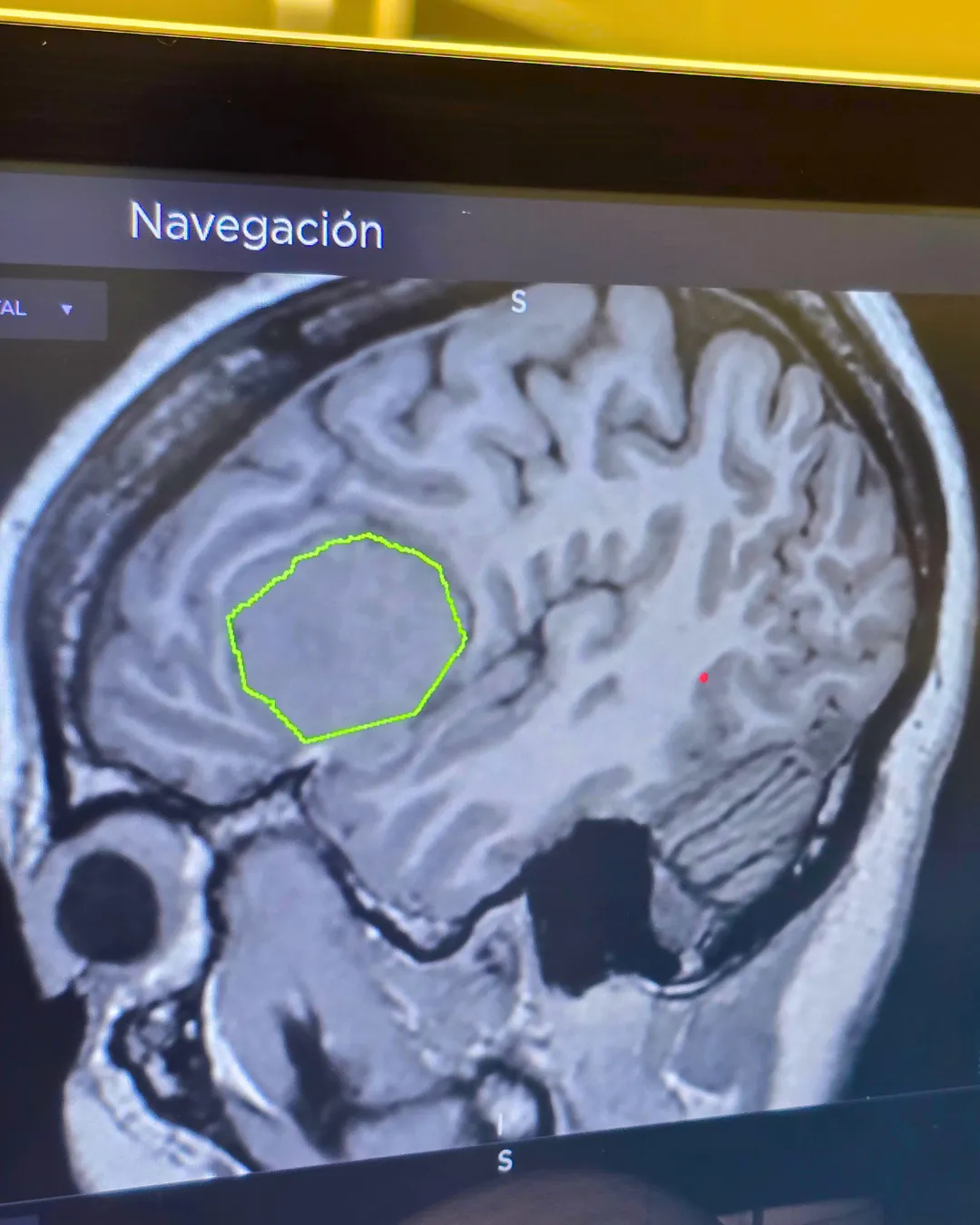
"Glioma" is not one diagnosis. That single word covers tumours with radically different outlooks.
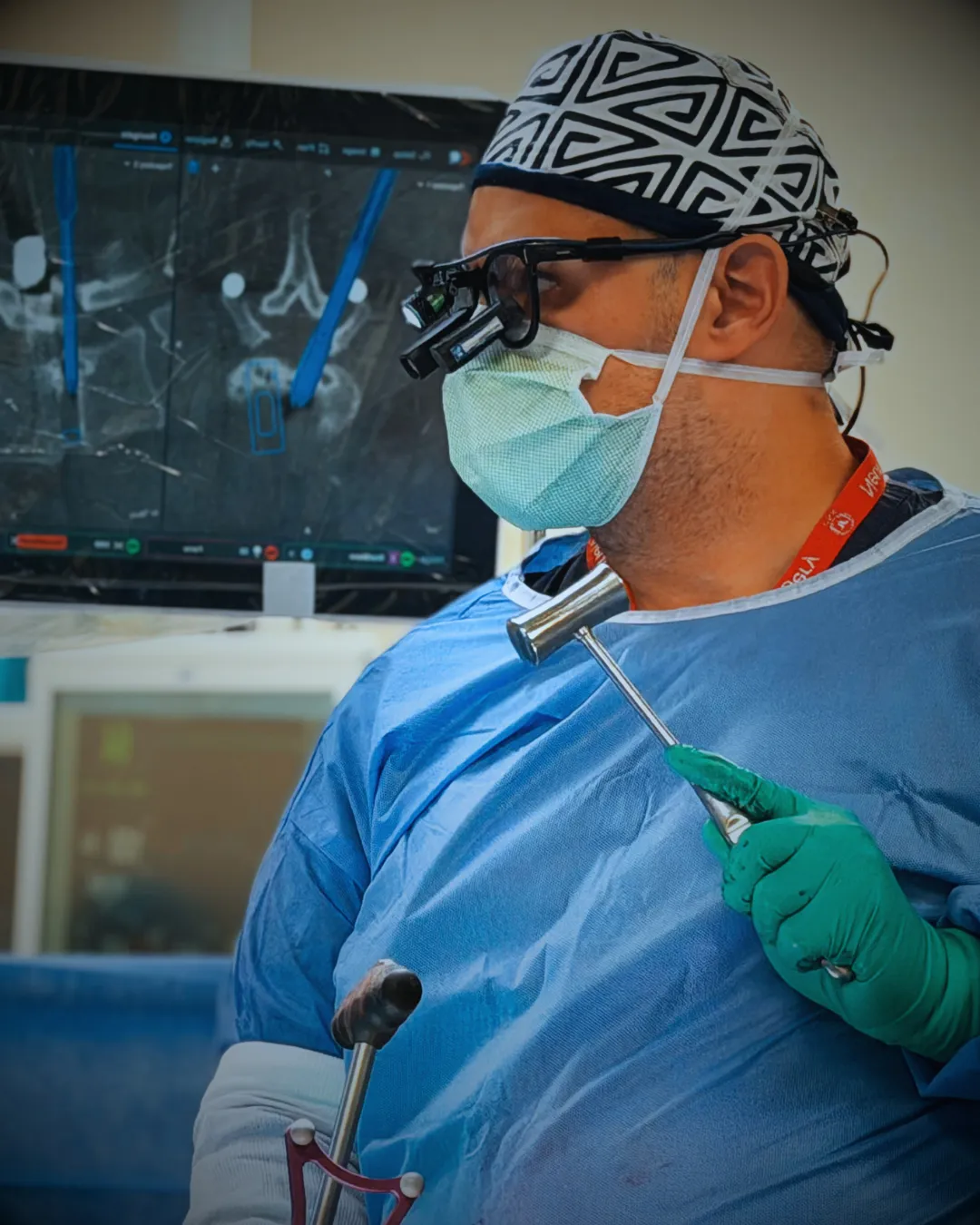
The most common brain tumour in adults — and the one whose outlook has changed most in the last decade.