Sciatica: symptoms, causes and when it stops being "just pain"
Most sciatica improves without surgery. The difficulty is recognising in time the cases that do not.
Read article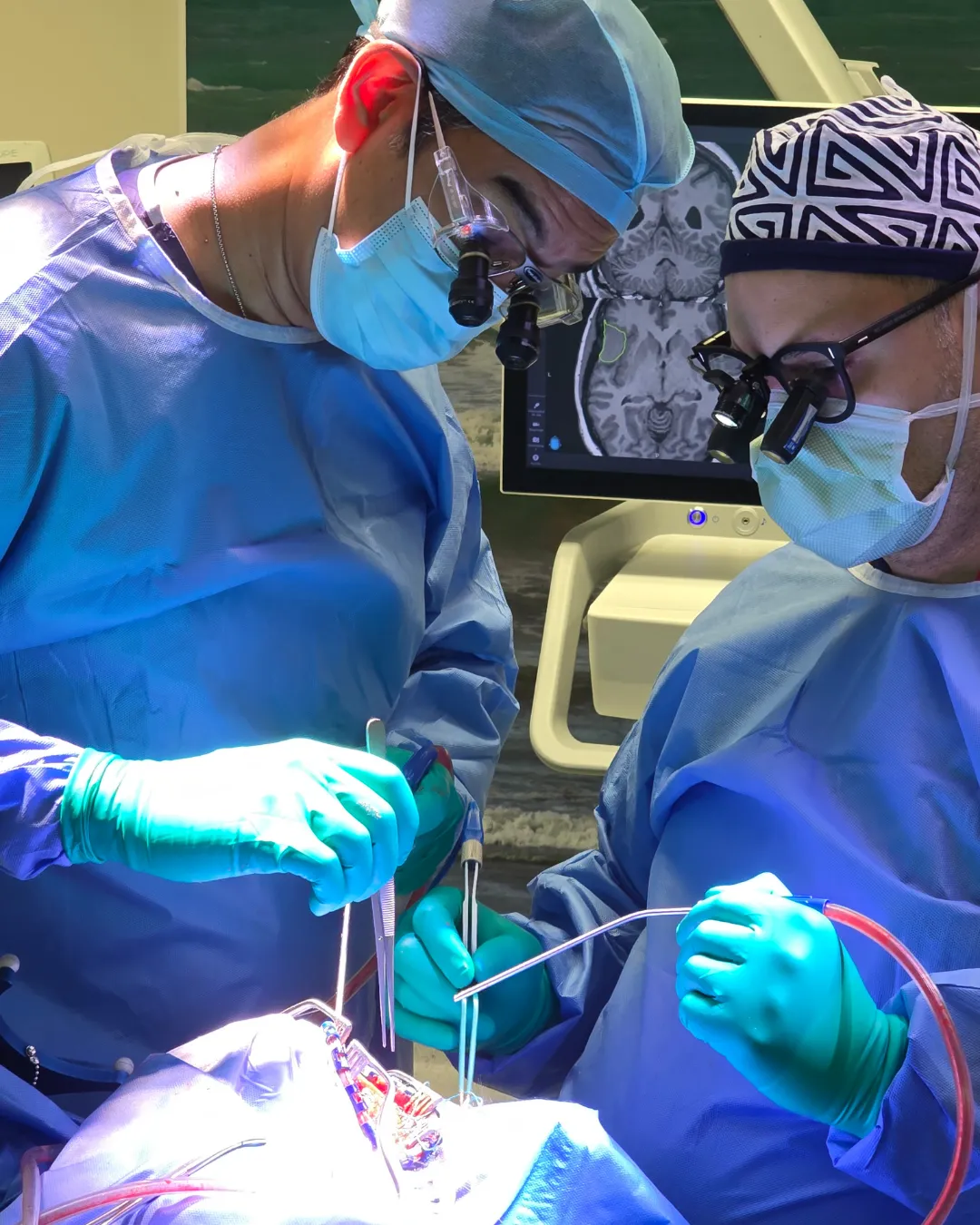
Dr. Ricardo Bermúdez — International Fellow of Cleveland Clinic Florida. Minimally invasive spine surgery and brain tumours, with intraoperative navigation at Hospital Punta Pacífica and The Panama Clinic.
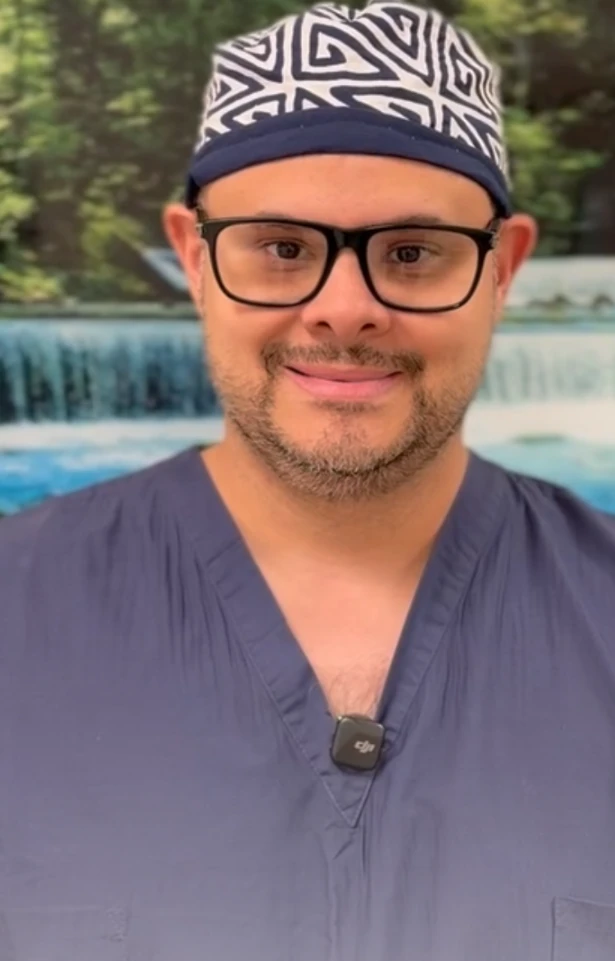
Dr. Ricardo Bermúdez is a neurosurgeon who graduated from the University of Panama, completed his neurosurgical residency at Complejo Hospitalario Metropolitano of the Caja de Seguro Social, and trained abroad as an International Fellow at Cleveland Clinic Florida.
His practice focuses on two areas: minimally invasive spine surgery — using intraoperative navigation and lateral XLIF approaches — and brain surgery, including brain tumours and oncologic pathology of the nervous system.
Every case starts with the same question: does this person actually need surgery? Many patients improve without an operating room. When surgery is the right path, the goal is to do it with the least possible damage to healthy tissue, so recovery is short and the result lasts.
“The best operation is the one that is planned well, kept small, and gives the patient their life back.”
Surgery is offered only when it delivers a real benefit — planned with imaging and navigation, and performed with the least invasive technique the case allows.
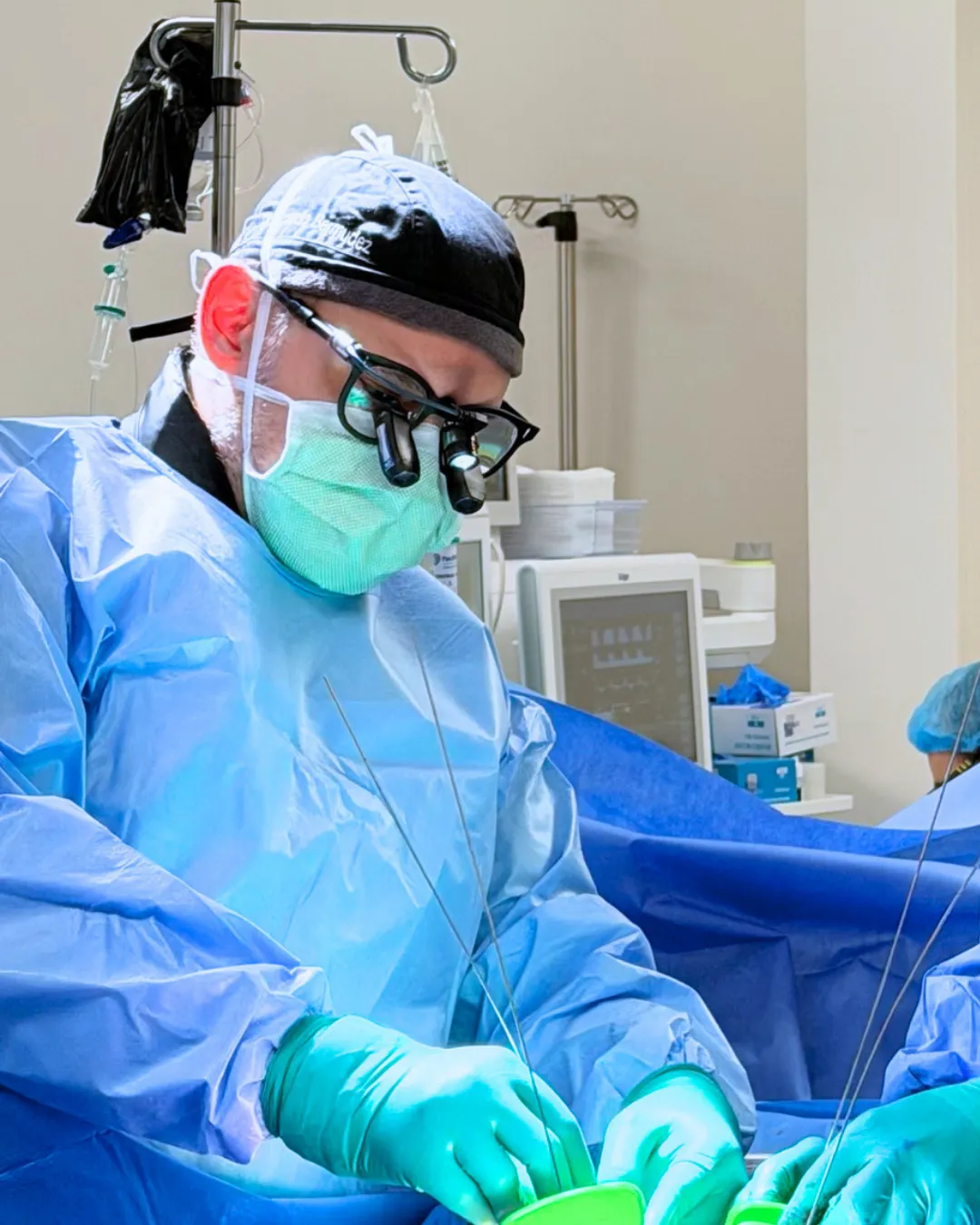
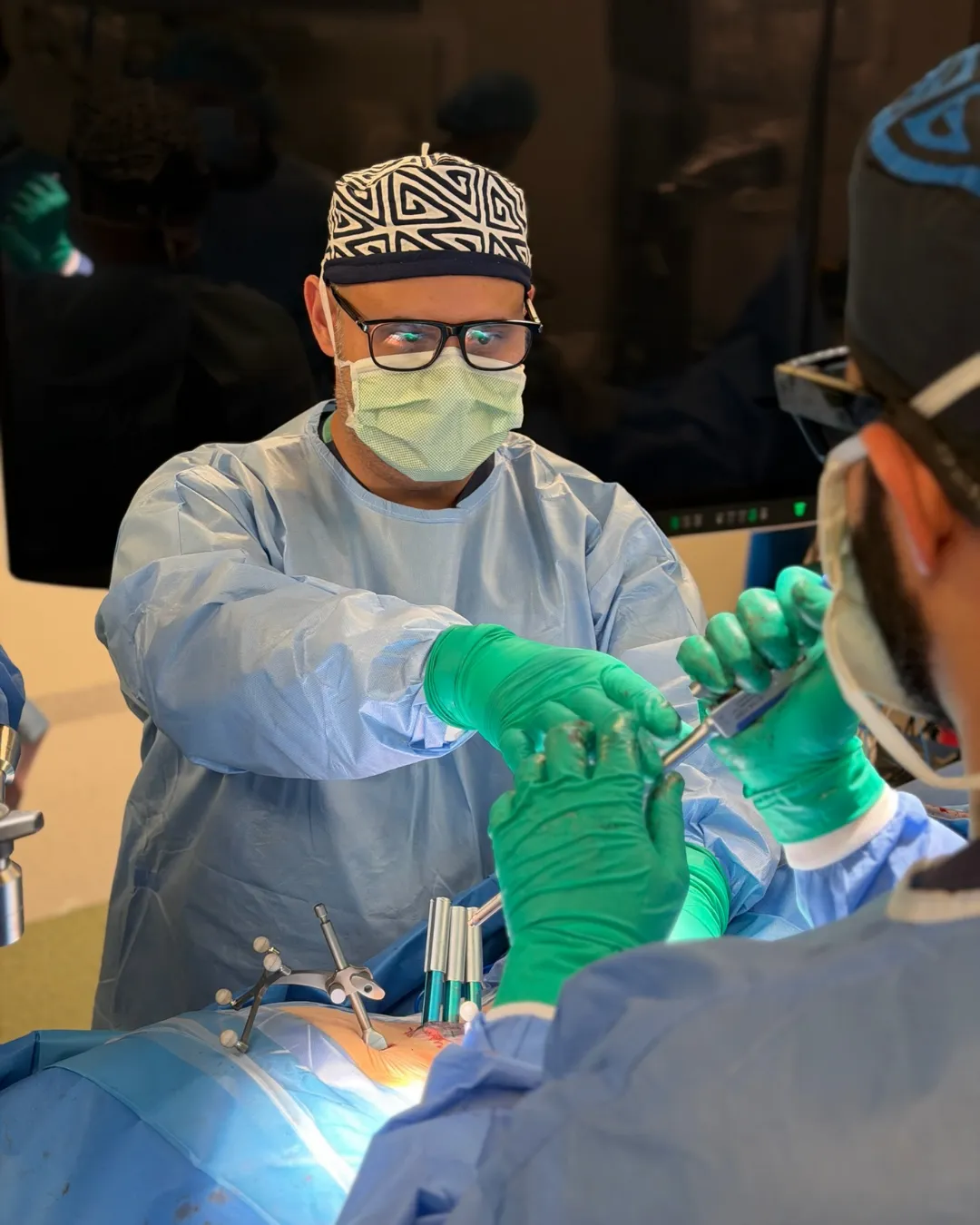
Small-incision approaches using tubular retractors and navigation. Less muscle damage, less blood loss and earlier discharge than conventional open surgery.
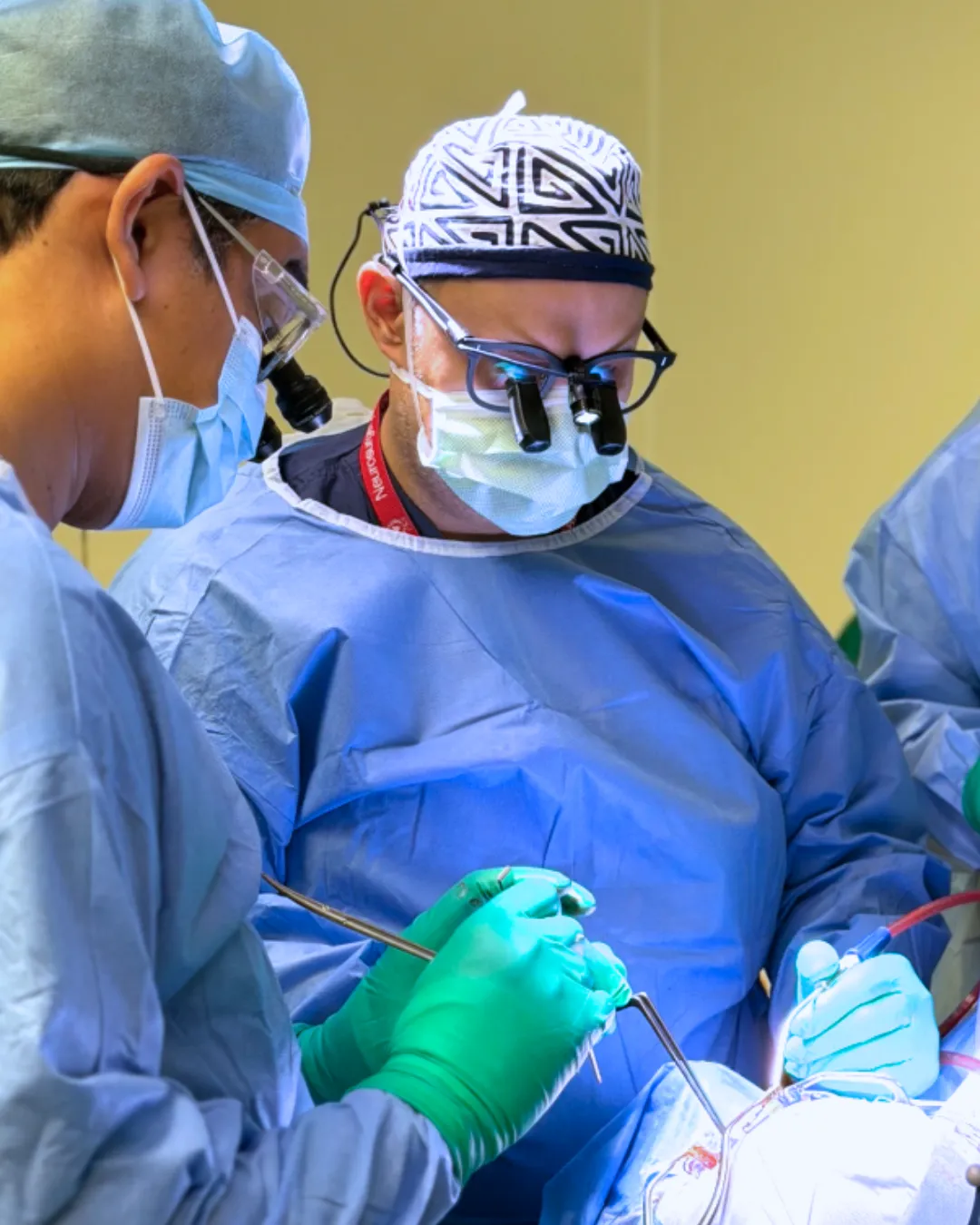
Microsurgical resection of intracranial tumors, planned on MRI and guided by neuronavigation and optical magnification to preserve neurological function.
Treatment of a herniated disc compressing a nerve root and causing sciatica or arm pain. Surgery is indicated when pain persists or a neurological deficit progresses.
Decompression of the narrowed lumbar canal, with stabilization when a vertebra has slipped, using 3D-navigated pedicle screw fixation.
Surgical management of primary and metastatic brain and spinal tumors, in coordination with oncology, radiation therapy and neuropathology.
Management of traumatic brain injury, intracranial hematoma, vertebral fractures and hydrocephalus requiring timely surgical treatment.
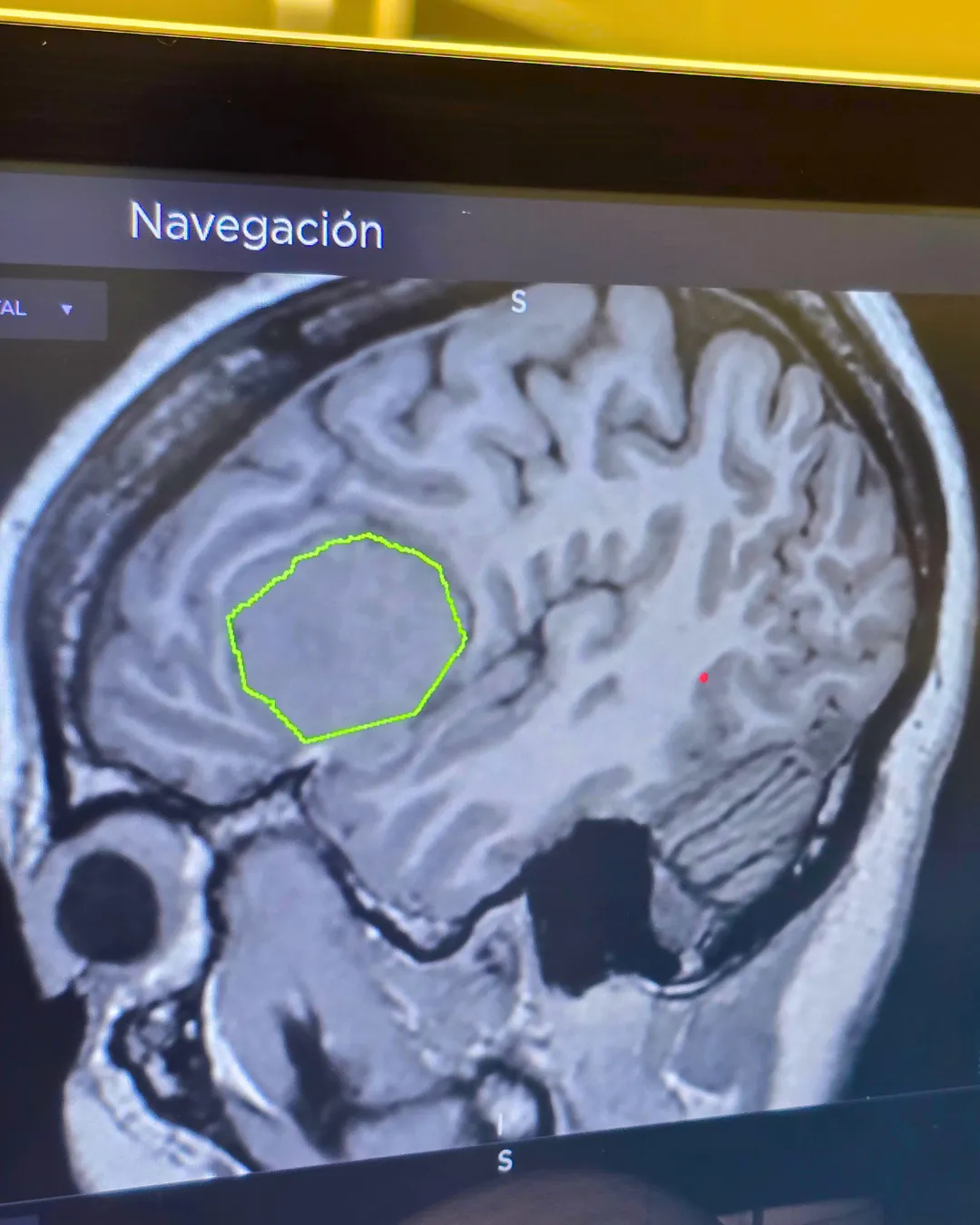
Planning the operation on the patient's own images and verifying every step inside the operating room makes smaller incisions and tighter margins of error possible.
A surgical GPS: instruments are displayed in real time over the patient's MRI or CT with sub-millimeter accuracy.
Three-dimensional imaging inside the operating room to verify the exact position of every screw before the spine surgery ends.
Surgical loupes and microscope to work on millimeter-scale neural structures without compromising healthy tissue.
Access to the spine through incisions of just a few centimeters, splitting the muscle instead of cutting it.
Continuous monitoring of nerve function during surgery so any warning sign is detected and corrected immediately.
A minimally invasive technique doesn't change the goal of the operation; it changes the price the body pays to reach it. These are advantages described for the technique in general: whether and how far they apply to an individual case is determined in consultation.
Muscle is split rather than cut, preserving the anatomy that supports the spine.
Less soft-tissue trauma is associated with less pain after surgery.
The hospital stay tends to be shorter than with open technique.
Earlier return to daily and work activities, depending on the procedure performed.
If your diagnosis or symptom appears here, a neurosurgical evaluation can clarify whether you need surgery or not.
Detailed clinical history and a complete neurological exam. We review what is happening, since when, and what you have already tried.
MRI, CT or dynamic X-rays as needed. Images are read alongside your symptoms — never in isolation.
We explain the real options with clear risks and expectations. If you don't need surgery, we tell you so.
The procedure is done with the least invasive technique available, followed by postoperative checks until you're back to your life.
Real patient feedback, published directly on Google.
When back or neck pain radiates into an arm or leg and does not resolve with medical treatment and physical therapy; when there is loss of strength, progressive numbness or loss of bladder control; or when an imaging study reports a herniated disc, spinal stenosis, a brain tumor or a spinal tumor. A consultation does not mean you will be operated on — it means finding out with certainty whether surgery is right for you.
No. Most disc herniations improve with medical management, physical therapy and time. Surgery is considered when disabling pain persists after adequate conservative treatment, when there is progressive muscle weakness, or when there are signs of severe compression. The decision is made from your symptoms and your images together — not from the MRI alone.
It is a technique that achieves the same goal as open surgery — decompressing a nerve, stabilizing a segment, removing a lesion — but through incisions of just a few centimeters, using tubular retractors, magnification and intraoperative navigation. By splitting the muscle instead of cutting it, blood loss, postoperative pain and hospital stay are all reduced.
It depends on the procedure and on each patient. Recovery after a lumbar microdiscectomy is usually quick; after an instrumented fusion it takes longer, because bone fusion needs months. Published timeframes are averages and do not predict an individual case: a realistic timeline is set in consultation, with your diagnosis to hand.
Bring every imaging study you have — MRI, CT or X-rays — ideally on disc or in digital format along with the written report. Also bring the list of medications you take, recent laboratory results, and reports from any other specialists you have seen.
Coverage depends on your insurer, your policy and the procedure. Because every plan has different coverage and deductibles, the most practical approach is to message us on WhatsApp with your insurer's name and your plan so we can confirm it before scheduling.
Consultations and surgery take place at Hospital Punta Pacífica (Pacífica Salud) and The Panama Clinic, both in Panama City, in operating rooms equipped with neuronavigation, intraoperative imaging and neuromonitoring.
Yes. Patients come from across Panama and the region. For travelling patients, imaging studies can be reviewed remotely beforehand so the in-person visit is used for the physical exam, the treatment decision and scheduling surgery.
Articles written for patients: what your diagnosis means, what options exist, and when surgery actually helps.
Most sciatica improves without surgery. The difficulty is recognising in time the cases that do not.
Read articleIn most low back pain no specific structural cause is identified. And most of it still gets better.
Read articleA slipped vertebra sounds alarming in a report. In practice, many grade I cases never cause trouble.
Read articleMessage us on WhatsApp for the fastest reply, or fill in the form and the team will contact you to arrange a date and time.