
Lumbar disc herniation: when surgery is needed and when it isn't
The question is not whether you have a herniation. It is whether that herniation explains your symptoms, and whether time will resolve it.
Most sciatica improves without surgery. The difficulty is recognising in time the cases that do not.
Sciatica is not a disease: it is a symptom. It describes pain that travels along the path of the sciatic nerve — from the lower back or buttock, down the back of the thigh, the calf and sometimes into the foot. It almost always affects one leg only.
It is one of the most common reasons for a spine consultation, and also one of the biggest sources of unnecessary anxiety. The good news: most sciatica improves without surgery. The news that matters: there is a group of patients for whom waiting too long can leave lasting damage.
The sciatic nerve is the longest and thickest in the body. It is formed from nerve roots leaving the lumbar and sacral spine — mainly L4, L5 and S1 — and runs down the leg.
When something compresses or irritates one of those roots as it exits the spine, the brain interprets the signal as pain along the entire course of the nerve, not at the point where the problem actually is. That is why the origin can be in your back while you feel the pain in your calf.
This explains something that confuses many patients: you can have sciatica without any back pain at all. The root is compressed above; the symptom appears below.
Telling these apart is not done from how the patient describes the pain, but by combining the neurological examination with imaging. Neither one alone is enough.
If pain affects both legs equally, or does not follow a clear path, it is often not pure nerve root compression and the diagnosis goes in a different direction.
Saddle numbness together with difficulty urinating is called cauda equina syndrome. It is one of the few true spinal emergencies: early surgical decompression makes the difference between recovering function and not recovering it.
In sciatica from a disc herniation without neurological deficit, the natural course is usually favourable. A significant proportion of patients improve substantially within 6 to 12 weeks, as the herniated fragment dehydrates and is reabsorbed and inflammation around the root settles.
This is essential to understand: a large herniation on MRI does not mean you need surgery. We operate on the patient, not the image. Some people have dramatic-looking herniations and little pain; others have small, badly positioned herniations and disabling pain.
| Scenario | Urgency | Goal of surgery |
|---|---|---|
| Cauda equina syndrome | Emergency — hours | Preserve sphincter function and sensation |
| Progressive motor deficit (foot drop, advancing weakness) | Urgent — days | Stop nerve damage and recover strength |
| Disabling pain not improving after 6–12 weeks of correct treatment | Elective | Relieve pain and restore quality of life |
In the third scenario — the most common — the decision belongs to the informed patient. Surgery speeds up relief of leg pain compared with continuing to wait; it brings the improvement forward rather than radically changing the result years later. That is why how much the pain is affecting your life right now matters so much.
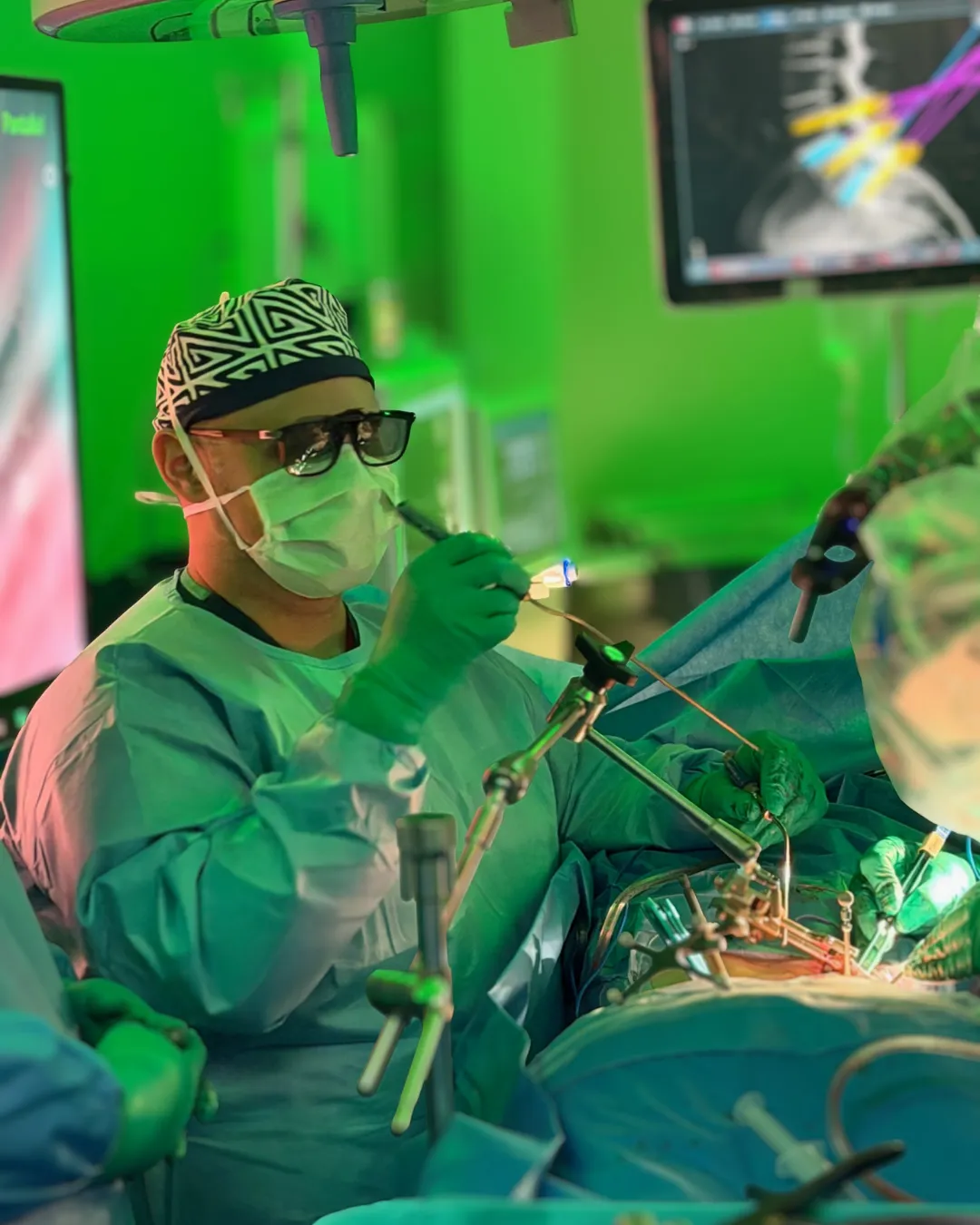
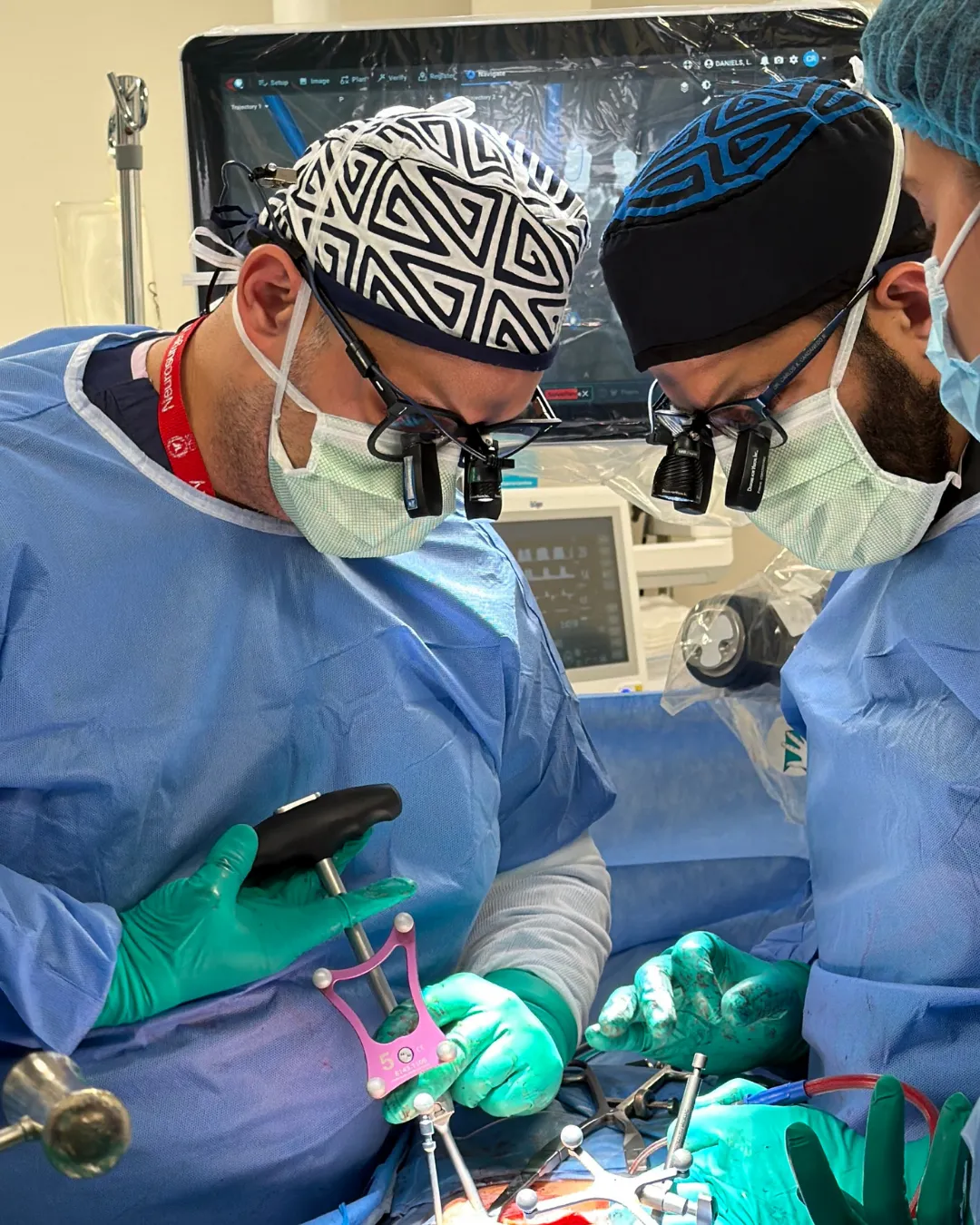
For sciatica from a disc herniation, the usual procedure is a microdiscectomy: through a small incision, with magnification and tubular retractors, only the fragment compressing the root is removed. The whole disc is not "taken out", and in most cases no screws are placed.
When stenosis or instability is the cause, the technique changes: decompression, and in some cases fusion. All of this is now done with minimally invasive techniques that split the muscle instead of cutting it, shortening recovery.
A well-conducted neurosurgical evaluation should end with a clear answer to two questions: what do I have? and do I need surgery or not? If you leave without those two answers, get a second opinion.
In most cases caused by a disc herniation, yes — it improves significantly within 6 to 12 weeks, as the herniated fragment is reabsorbed and inflammation around the nerve settles. What you should not do is wait indefinitely if there is loss of strength, numbness in the groin area, or difficulty urinating: those cases need immediate evaluation.
Yes, and you should. Strict bed rest worsens the outcome. Stay as active as the pain allows: walking, gentle mobility work and motor control training guided by physiotherapy. What to avoid in the acute phase are heavy axial loads and sudden bending-with-rotation movements.
No. We operate on the patient, not the image. Some people have striking herniations on MRI and little pain; others have small, poorly positioned herniations and disabling pain. The decision combines the neurological exam, how symptoms evolve over time, and imaging — never the MRI in isolation.
Many patients walk the same day as surgery and return to desk work within two to four weeks. Heavy physical work and impact sport are usually resumed between 6 and 12 weeks, depending on individual progress. A case-specific timeline is provided in consultation.
Recurrent herniation at the same level happens in a small percentage of patients. The risk is reduced with proper rehabilitation, weight control, core strengthening, and avoiding smoking, which impairs disc nutrition. Pain that returns after surgery should always be re-evaluated, never assumed to be normal.
Dr. Ricardo Bermúdez sees spine patients at Hospital Punta Pacífica (Pacífica Salud) and The Panama Clinic in Panama City. You can book via WhatsApp at +507 6202-7644 or by phone at +507 310-2413.
Written and reviewed by Dr. Ricardo Bermúdez, neurosurgeon. Last reviewed: 2026-09-09.
General informational content. It is not medical advice, does not create a doctor-patient relationship, and must not be used to self-diagnose or to decide on treatment. Outcomes vary from person to person. If you have symptoms, see a doctor.
The question is not whether you have a herniation. It is whether that herniation explains your symptoms, and whether time will resolve it.
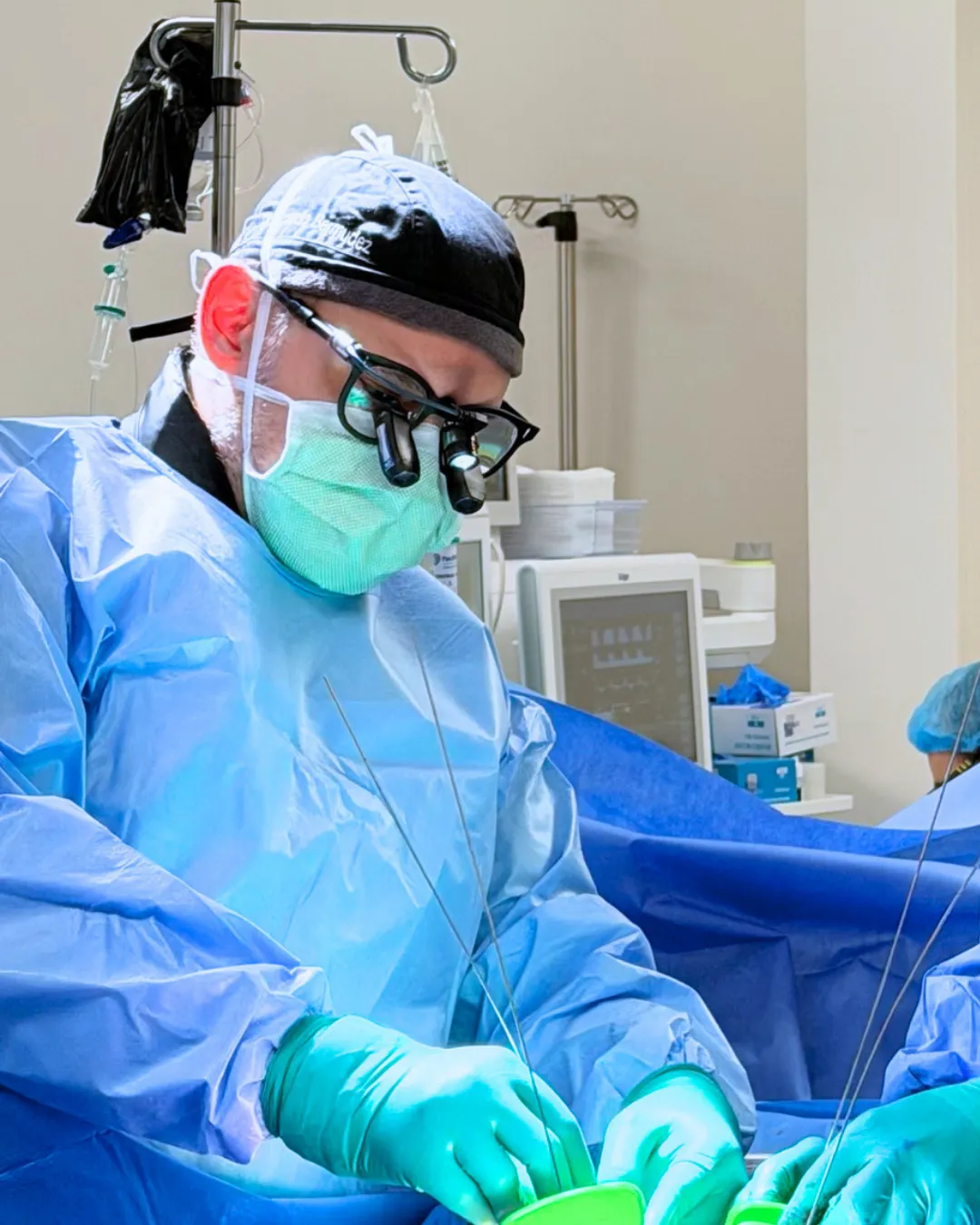
In most low back pain no specific structural cause is identified. And most of it still gets better.
A characteristic pattern: walking a distance, having to stop, and being able to continue after sitting for a moment.